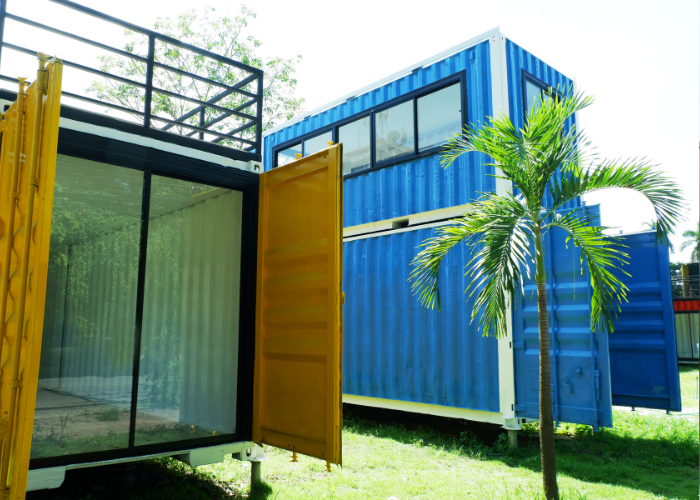
How to Customize a Shipping Container to Showcase Your Brand

Shipping containers are not just for transporting goods anymore. In recent years, customized shipping containers have become a popular choice for businesses looking to showcase their brand in a unique and eye-catching way. The versatility of shipping containers allows for endless customization possibilities, making them an ideal canvas for branding.

Customization plays a crucial role in establishing and promoting a brand’s identity. By transforming a shipping container into a branded display, businesses can create a lasting impression on potential customers. Whether it’s at trade shows, events, or even as permanent retail spaces, customized shipping containers offer an innovative and cost-effective solution for showcasing your brand.

But customization is not limited to just new containers; used containers also provide an excellent opportunity to create a distinctive brand experience. With some creativity and modifications, these pre-owned containers can be transformed into visually stunning structures that align with your brand’s aesthetics and values. From increased visibility to portability and sustainability, these modified structures offer numerous advantages that traditional brick-and-mortar locations simply cannot match.

Choosing the Right Container to Customize for Your Brand

New vs. used containers

Choosing the right container for your brand is an important decision. Whether you are looking for new or used containers, there are several factors to consider to ensure you make the best choice.

When it comes to new containers, they offer a few advantages. These shipping containers are typically in near pristine condition. They provide a clean and professional image for your brand, which can be particularly important if you plan on utilizing them as pop-up shops or mobile offices. Additionally, new containers often come with warranties and guarantees, providing peace of mind regarding their quality and longevity.

On the other hand, used shipping containers offer their own set of benefits. Firstly, they tend to be more budget-friendly compared to their new counterparts. This cost-effectiveness can be especially appealing if you have limited resources or if you require multiple containers for your operations. Used containers also have character and charm that can add a unique touch to your brand’s aesthetic.

Size and dimensions

Size and dimensions play a crucial role in selecting the right container for your needs. Make sure you assess the amount of space required based on what you plan on storing or using the container for. Consider factors such as length, width, height, and internal capacity when referring to our container sizes. Ensuring that the chosen container accommodates your requirements will prevent any logistical issues down the line.

Selecting the right container for your brand involves weighing various factors such as new vs. used options, as well as size and dimensions considerations. By thoroughly assessing these aspects, you can make an informed decision that aligns with your brand’s needs and contributes to its overall success.

Customized Containers for Brand Enhancement

Once you’ve decided on which container will serve your needs best it’s time to consider what modifications will take it to the next level. Container modifications offer a unique and cost-effective way to enhance brand visibility and make a lasting impression. There are various popular modification options available that can transform a standard shipping container into a powerful branding tool.

Custom paint and branding

One of the most effective ways to customize a container is through custom paint and branding. By applying a fresh coat of paint in your brand colours and strategically placing your logo on the container surface, you can create an eye-catching display that promotes brand recognition. With careful consideration of sizing, placement, and design, you can create a visually striking container that grabs attention and reinforces your brand message.

Structural modifications

Structural modifications are another avenue to explore when it comes to enhancing your brand. Shipping container architecture has gained popularity due to its versatility and sustainability. From creating multi-level spaces to incorporating windows and doors in strategic locations, these modifications not only improve functionality but also create a visually appealing structure. These modifications can turn containers into pop-up shops, offices, event spaces, or even unique retail experiences.

Interior modifications

Creating a welcoming interior space is important for brands looking to provide memorable experiences to their customers or employees. This can include container office designs that provide a comfortable working environment or creative container interiors that showcase the brand’s creativity and personality. From installing lighting fixtures that showcase products or services to integrating branded signage within the space – there are numerous possibilities to create an immersive brand experience for customers.

To enhance the brand experience further, incorporating interactive elements into the interior space can be highly effective. These elements could include touchscreens, augmented reality displays, or interactive product demonstrations. By engaging customers in a hands-on and participatory manner, brands can forge deeper connections and leave lasting impressions. Whether it’s a pop-up store, exhibition booth, or interactive installation, the use of shipping containers adds an element of novelty and intrigue.

Environmental considerations when customizing shipping containers

Container modifications can also allow for unique opportunities to stand out from competitors while using sustainable materials in line with eco-conscious values. You can use environmentally friendly materials and practices in modifying shipping containers for various purposes. These modifications not only offer businesses a chance to enhance their visibility and engage with customers but also align with their commitment to sustainability.

These modifications can involve the use of eco-friendly materials such as reclaimed wood, recycled metal, or low VOC (volatile organic compound) paints. Additionally, sustainable modifications may incorporate energy-efficient features like solar panels or insulation to reduce energy consumption.

Another important aspect of sustainable shipping container customization is the potential for repurposing existing containers instead of discarding them. This practice helps reduce waste and minimize the demand for new construction materials. Coast Containers offers a range of used containers that are all guaranteed to be wind and watertight. By giving these containers a new lease on life, businesses can contribute to a circular economy and decrease their environmental footprint.

Ready to customize your shipping container?

At Coast Containers, we offer a diverse range of new and used containers, ensuring that your brand has the perfect canvas for customization. Whether you’re looking to make a bold statement at events or create a unique retail space, shipping containers offer unparalleled flexibility and style. Explore our new and used shipping containers for sale and discover the ideal foundation for your brand’s visual identity.

When it comes to brand customization, shipping containers are more than steel boxes; they are dynamic, eco-conscious, and impactful brand ambassadors. Explore the possibilities, make a statement, and let your brand shine through the versatility of customized shipping containers. Contact Coast Containers today to get a quote for container modification and embark on the journey of transforming a shipping container into a powerful representation of your brand identity.

How to Inspect a Used Shipping Container Before Purchase

When it comes to purchasing a used shipping container, conducting a thorough inspection is essential. Shipping containers can go through a lot of hard use before they are sold used and can be found in varying levels of condition. It is common for used shipping containers to have been used for approximately 10-15 years for shipping freight and storing goods before they are inspected and added to our inventory at Coast Containers. These containers are often repurposed for various purposes such as storage units, offices, or even homes.

At Coast Containers, we ensure that each used sea container for sale has been inspected for damages, and all of our used storage containers are guaranteed to be wind and watertight (WWT) and rodent-proof at the time of purchase. However, it is still important to ensure that the container meets your requirements and expected condition before making a purchase.

The Importance of Buying Used Shipping Containers

Used shipping containers have become increasingly popular in various industries due to their numerous benefits. Not only do they offer cost savings, but they also provide environmental advantages and have a wide range of potential applications.

One of the primary reasons why buying used shipping containers is advantageous is the significant cost savings they offer. Compared to purchasing brand new containers, used ones are typically much more affordable. This makes them an attractive option for businesses and individuals looking to acquire storage or transportation solutions without breaking the bank. Moreover, these cost savings can be even more substantial when buying shipping containers in bulk or through reputable suppliers.

In addition to financial benefits, using used shipping containers also contributes to environmental sustainability. By reusing existing containers instead of producing new ones, you are effectively reducing the demand for additional manufacturing processes and resources. This helps minimize carbon emissions and conserve energy and raw materials that would otherwise be required for container production. Furthermore, repurposing these containers extends their lifespan and prevents them from ending up in landfills.

The versatility of used shipping containers allows for a multitude of applications across various industries. From on-site storage solutions for construction sites or events to modified container structures like pop-up shops or cafes, the possibilities are virtually endless. These durable steel structures can withstand harsh weather conditions and provide secure storage options for both commercial and personal use.

Understanding Your Requirements for Your Used Shipping Container

When purchasing a used shipping container for storage or any other purpose, it is important to understand your requirements to ensure you make the right choice. Two important factors to consider are the size of the container and the specific features it should possess.

Determine the shipping container size needed

First, assess your storage needs or intended use for the container. Consider the volume of items you plan to store or transport and estimate the space required accordingly. Shipping containers come in various sizes, with standard options such as 20-foot and 40-foot containers being widely available. Understanding your space requirements will help you select a suitable size that optimizes storage capacity without excess wastage.

Identify specific container features required – standard containers vs high cube

Apart from size, you will need to identify specific features that are necessary for your intended use. Standard shipping containers have a height of approximately 8 feet 6 inches, while high cube containers offer added vertical space with a height of around 9 feet 6 inches. If you need extra headroom for taller items or want to maximize vertical storage capacity, a high cube container may be more suitable.

By understanding these requirements – determining the appropriate size and identifying specific features needed (such as standard versus high cube), you can make an informed decision when purchasing a used shipping container.

So now that you know what type and size of shipping container you need it’s time to think about an inspection. A pre-purchase inspection of a second-hand shipping container involves evaluating several key factors.

How to Inspect a Used Shipping Container

Exterior Inspection

The exterior inspection plays a very important role in assessing the overall condition and functionality of the container. Here are three key points to consider during the exterior inspection:

  1. Check for visible damage, rust, and corrosion. Examine the exterior surface of the container for any signs of damage, such as dents or punctures. Rust spots or corrosion can indicate structural weakness and should be noted for repair or further assessment.
  2. Assess the condition of the container’s doors, locks, and seals. Inspect the integrity of the doors by opening and closing them to ensure proper functionality. Look for any signs of misalignment or damage that could compromise security or hinder accessibility. Additionally, examine the locks and seals to confirm they are in good working order.
  3. Inspect the container’s overall structure and framework. Carefully examine all sides of the container to identify any structural issues such as bent or twisted panels, loose fasteners, or compromised framework. Pay attention to welds and joints for signs of cracking or separation.

Interior Inspection

When conducting an Interior Inspection, there are several important factors to consider to ensure the safety and cleanliness of the space.

  1. Verify the absence of odours or contaminants. This can be done by carefully inspecting the air quality and detecting any unpleasant smells or potentially harmful substances. It is important to address any issues promptly to maintain a healthy environment.
  2. Ensure that the interior is free from significant damage or signs of pests. This includes checking for any visible structural damage, such as cracks or leaks, which may compromise the integrity of the space. Additionally, inspecting for signs of pests such as rodents or insects is crucial in preventing infestations and maintaining a clean environment.

Flooring Inspection

  1. Examine the condition of the flooring material. For wooden flooring, check for signs of rot, decay, or damage caused by water exposure. Look out for soft spots, discolouration, or any visible deterioration that could weaken the structure. In the case of steel flooring, inspect for signs of corrosion or rust that might compromise its strength and durability.
  2. Detect signs of water damage or insect infestations. Water damage can lead to weakened flooring materials and structural instability. Look for stains, dampness, or mould growth on both wooden and steel surfaces. Additionally, be vigilant for any evidence of insect activity such as holes in wood or burrows in steel that may indicate an infestation.

Roof Inspection

  1. Check for dents, holes, and rust on the roof. Begin by carefully examining the entire surface of the container’s roof. Look for any signs of damage such as dents, holes, or areas affected by rust. These issues can compromise the structural integrity of the roof and potentially lead to water leakage.
  2. Ensure proper sealing to prevent water leakage. Pay close attention to the sealing around vents, joints, and any other openings on the roof. It is important that these areas are properly sealed to prevent water from seeping into the container. Inspect whether there are any visible gaps or cracks in these sealant materials.

Container Identification

  1. Examine the container’s CSC plate, also known as the identification marks. The CSC plate contains important information about the container, such as its unique serial number, size, maximum gross weight, and date of manufacture. Inspecting this plate allows you to verify that the container meets international safety standards for transportation.
  2. Verify the container’s age and origin which can provide valuable insights into its condition and potential lifespan. Age can be determined by checking the manufacturing date on the CSC plate or by looking for other markings on the container itself. This information helps you assess how long the container has been in use and estimate its remaining durability.

Additionally, knowing the origin of the container can provide insights into potential exposure to corrosive environments or previous cargo types that may impact its structural integrity. Containers from certain regions may have different levels of wear and tear based on climate conditions or specific cargo transported.

Ready to Buy a Used Shipping Container?

In this blog, we have highlighted the significance of conducting a thorough inspection when considering purchasing used shipping containers. By carefully examining the container’s condition, structural integrity, and potential issues, buyers can make informed decisions and avoid costly mistakes.

While at Coast Containers we pride ourselves in ensuring our containers are thoroughly inspected for damages, we strongly encourage buyers to prioritize their due diligence when buying used shipping containers. Investing time and effort into inspecting the containers personally or with the help of professionals and obtaining all necessary documentation will ensure a smooth and satisfactory purchasing experience.

You may ask yourself “Where can I find used shipping containers for sale near me?”. Well, you’re in luck Coast Containers has locations all across Canada. Check out our inventory of both new and used shipping containers. We understand that each customer has unique requirements, and we are committed to providing a wide range of options to suit your specific needs.

Whether you are looking for standard containers or specialized units, our team is ready to help you find the perfect solution. We’re here to answer any questions you may have and guide you through every step of your container buying journey – contact us to take the first step.

Our Brands

Subscribe to our newsletter